

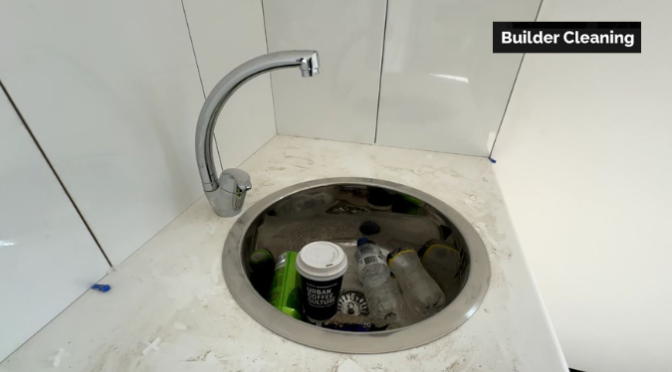
A defect-rectification clean is the final clean completed after all last-minute fixes are done and just before handover. It removes fresh dust, fingerprints, smears, and small debris left behind by returning trades, helping the property look truly finished, feel healthier, and be ready for a smooth final inspection. It is not just about appearance — it also supports comfort, safety, peace of mind, and a better first experience for everyone walking into space.
When most people hear the words builders clean, they picture the big clean at the end of a project. Dust gets removed. Floors get vacuumed. Windows get wiped. Bathrooms and kitchens get detailed. The place starts to look like a real home or finished building again.
But there is one more stage that often matters just as much: the defect-rectification clean.
This is the clean that happens after the final defects are fixed and just before handover. In many cases, it is the stage people are searching for when they look for a defect rectification clean Melbourne service. It comes after painters return for touch-ups, after the electrician fixes a switch plate, after the tiler corrects a chipped edge, or after the cabinet installer adjusts a door. In other words, it happens after the “last little jobs” create one last round of dust, fingerprints, smears, packaging, and mess. On Builder Cleaning’s builders cleaning page, the broader scope already includes removing paint marks, vacuuming dust and debris, wiping glass and sills, cleaning kitchens and bathrooms top to bottom, sanitising high-touch points, cleaning carpets, pressure cleaning hard surfaces, and detailing tiles and grout. A defect-rectification clean is the final pass that brings all of that work back to presentation standard after the last fixes disturb the space again. It is also a form of post repair cleaning after renovation that helps restore order before the keys are handed over.
Why this final clean matters so much
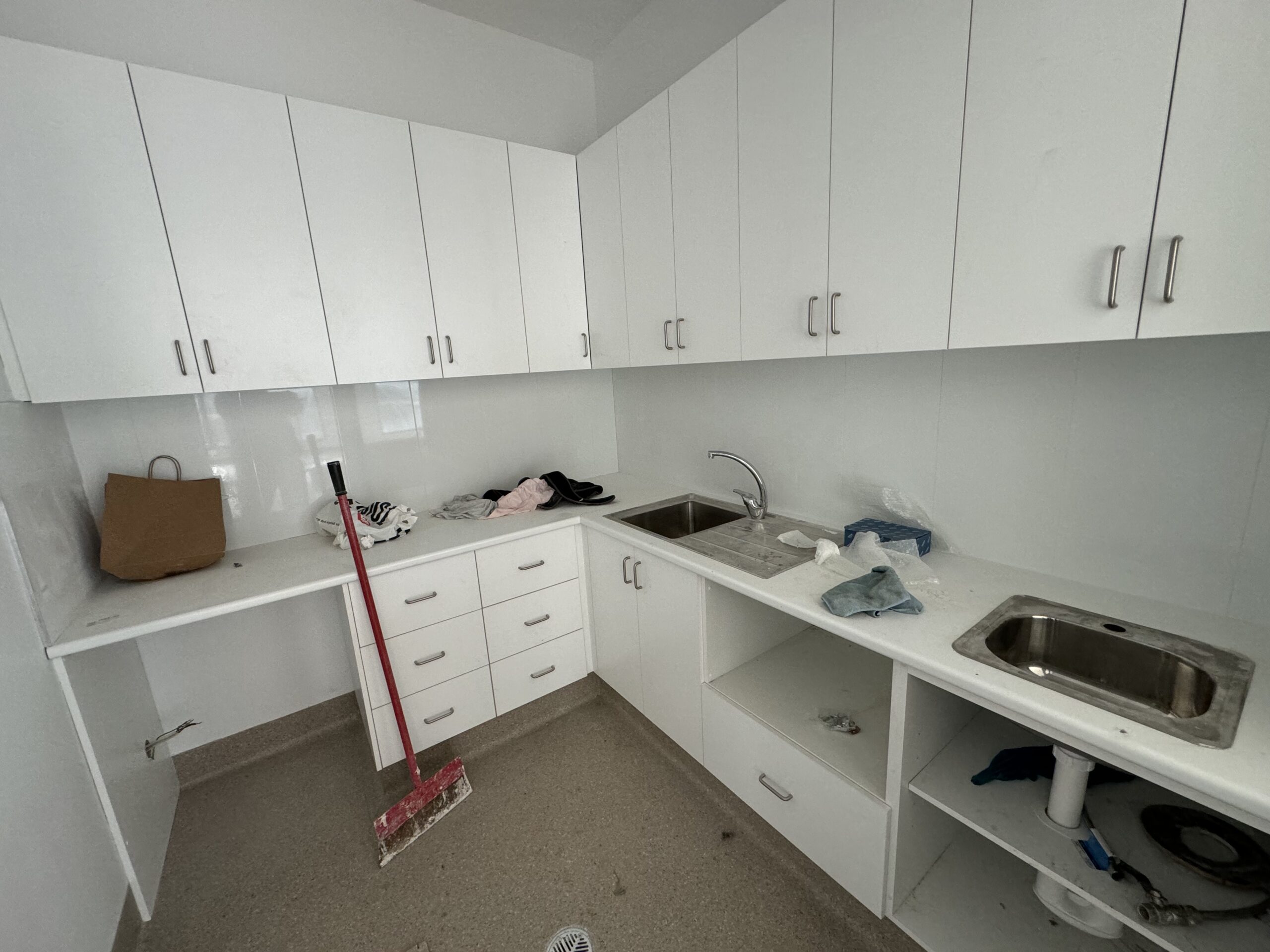
At the end of a build, the obvious mess is usually gone. What remains is more subtle. Fine dust on skirting boards. Smudges on dark joinery. Tape marks on glass. Small paint drops on tiles. Dirt in window tracks. Fingerprints on switches. A bit of silicone on a frame. These things may sound minor, but together they can make a finished property feel unfinished.
That is why defect-rectification cleaning is not just a “quick tidy”. It is the final detail stage. It helps the property look complete, cared for, and ready to be handed over with confidence. Many builders think of this point as the builders clean final finish Melbourne projects need before the site truly looks complete.
This matters because handover is a big emotional moment. For a builder, it is the point where workmanship is judged as a finished product. For an owner, it is the moment the project stops feeling like a worksite and starts feeling like a place they can actually enjoy. Small marks can break that feeling very quickly.
It is about more than appearances
A lot of people think this final clean is only about presentation. Presentation is part of it, but not all of it.
Dust is not just annoying. Fine particles can get deep into the lungs, and particle pollution has been linked to coughing, breathing difficulty, aggravated asthma, and decreased lung function. The US EPA also notes that indoor pollutants can include particulate matter, gases such as volatile organic compounds, and pollutants from building materials and household products. Since people spend most of their time indoors, indoor air quality matters more than many realise.
That is one reason the final clean before handover matters. If a property still has leftover fine dust from sanding, cutting, patching, drilling, or paint touch-ups, the space may look acceptable at first glance but still feel unpleasant to be in. You might notice it as a dry throat, a dusty smell, gritty windowsills, or powder settling again after a few hours.
A proper defect-rectification clean helps deal with that last layer. This is why after defect repair cleaning services play such an important role at the very end of a project.
Health: a cleaner handover supports a healthier start
The health side of this stage is easy to overlook because the building itself looks new. New does not always mean clean.
Freshly finished spaces can still hold dust in corners, vents, tracks, wardrobes, shelving, light fittings, and around trims. There may also be residue from adhesives, sealants, packaging, and general trade traffic. The EPA notes that indoor air can contain particles and gases from building materials and indoor activities, and that source removal is one of the most effective ways to improve indoor air.
That means a final detailed clean is not just about making surfaces shine. It is also about removing the leftovers that continue to circulate through the space. This is especially important if the people moving in include children, older adults, or anyone with asthma, allergies, or other breathing concerns, as these groups are more likely to be affected by particle pollution.
Even when nobody has a known health issue, cleaner air simply makes a place feel better. It is easier to breathe. It smells fresher. It feels calmer. That first week in a new or renovated property can start with comfort instead of irritation. That is exactly why a pre-handover builders clean Melbourne owners can rely on makes such a difference.
Safety: the last 2% can prevent 100% of a bad first impression
There is also a practical safety side to defect-rectification cleaning.
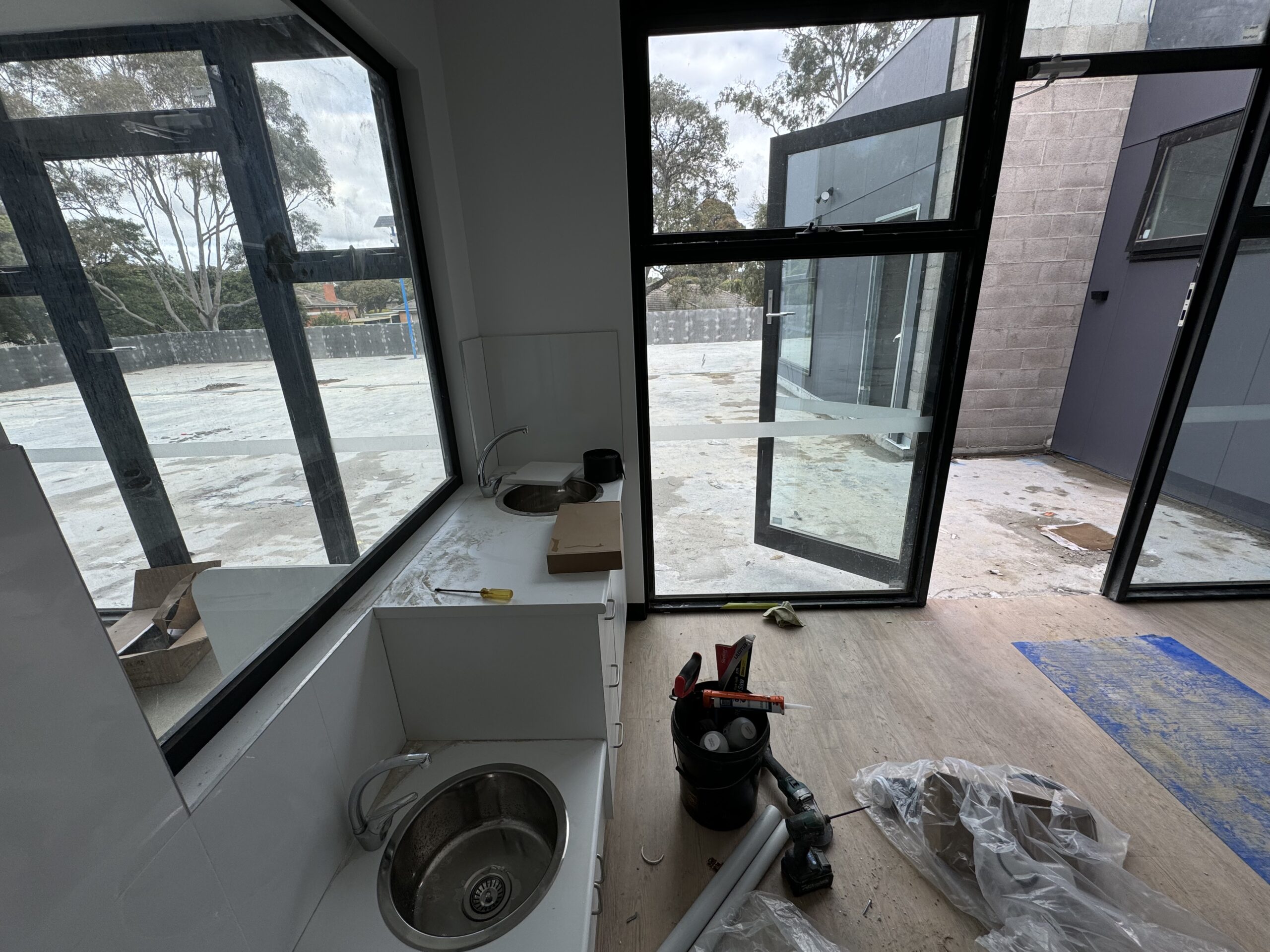
After trade returns, small hazards can be left behind. Dust on hard floors can make them feel slippery. Tiny bits of debris can sit in corners. Window and door tracks can collect sharp fragments. Paint spots can leave rough patches. Tape residue can catch dirt. Smears on glass can make clean glass look dirty, while actual dirt on glass edges or tracks can be missed during inspection.
Builder Cleaning’s own service scope includes sanitising handrails and switchboards, cleaning paint marks, removing dust and debris, and restoring tiles, grout, kitchens, bathrooms, glass, carpets, and external hard surfaces. That list gives a good picture of the types of areas that still need attention late in the project, even after the big clean is “done.”
The main point is simple: a property should not just look complete. It should feel safe, settled, and ready to use. In many projects, this stage is part of a broader renovation punch-list clean up that removes the final hazards and distractions.
Mental and emotional impact: clean spaces feel finished
This part matters more than people think.
A home, apartment, office, or newly renovated area does not only affect the eyes. It affects mood. It affects stress. It affects how settled people feel when they walk in.
Research on housing conditions and indoor environmental quality has found that the physical indoor environment is closely tied to health, mental health, and well-being. A 2022 scoping review found that housing conditions and indoor environmental quality can have major impacts on mental health outcomes.
That does not mean a missed speck of dust causes a mental health problem. But it does mean environments matter. People feel things in spaces. A clean, settled, well-finished room sends one message. A dusty, smudged, half-polished room sends another.
One says, “This is done.”
The other says, “There is still something wrong.”
That feeling is powerful at handover.
A defect-rectification clean helps remove the visual noise that keeps the brain on alert. Instead of seeing unfinished business everywhere, the owner gets a clear picture of the end result. That creates relief. It creates pride. It creates trust in the work. This is especially true when a last minute builders clean Melbourne project is needed to restore that finished feeling after trades come back unexpectedly.
Family life: the first days in a space set the tone
For families, handover is not just a technical event. It is a life event.
It may be the first time children see their new bedroom finished. It may be the first calm moment after months of disruption, noise, tradies, packing, planning, and stress. It may be the day everyone finally stops eating around boxes and starts imagining normal life again.
That first experience matters.
Studies on household chaos have found links between disorganised home environments and stress, negative emotions, and poorer child outcomes. One experimental study found that household chaos increased stress and negative emotions, and other research found that early household disorganisation predicted poorer cognitive and social outcomes in children. A construction site at handover is not the same as long-term household chaos, of course, but the broader lesson is still useful: environments shape how people feel and function.
A clean handover helps a family settle faster. Parents do not have to start their first week by wiping cupboards, scrubbing marks off windows, vacuuming trade dust, and wondering whether the property was really ready. Children are less likely to step into a space that still feels like a work zone. The whole home feels more welcoming from day one. In that sense, it becomes a kind of final home inspection clean that supports a calmer start for everyone.
Productivity: a clean finish protects momentum
This is not only about homes. It matters for offices, retail spaces, and commercial fit-outs too.
When a property is close to completion, people are often tired. Builders want final sign-off. Owners want keys. Tenants want access. Staff want to move in. Everyone is waiting for the same thing: the project to be properly finished.
If the final presentation is poor, momentum slows down. Inspections take longer. Questions multiply. Small complaints become bigger than they should be. The project can feel less complete than it really is.
A good defect-rectification clean protects that final stretch.
It helps the builder present the job clearly. It helps the owner inspect the workmanship without being distracted by dust and smears. It helps the tenant move in sooner. It helps the business open without last-minute cleaning chaos. On renovation projects, this stage is often described as a renovation defect clean Melbourne property owners need before they can move forward with confidence.
In simple terms, a clean finish saves mental energy. People can focus on what matters next instead of cleaning up what should already have been dealt with.
Wealth: the final clean can protect value
This is the angle that often gets forgotten.
People normally think of value in terms of materials, design, and labour. Those things matter, of course. But value is also shaped by presentation. Two identical properties can feel very different depending on how they are presented at the end.
A property with dusty tracks, marked glass, dirty grout haze, paint spots, and fingerprints can make the finish seem lower quality than it really is. A property that is spotless lets the actual workmanship speak for itself.
That matters for owners, buyers, developers, agents, and builders.
A poor final impression can lead to more complaints, extra call-backs, delayed approval, or lower confidence in the result. A strong final impression can support smoother handover, better trust, and a stronger sense that the money spent on the project was worth it.
So yes, this stage is a cleaning issue. But it is also a value-protection issue. It helps leave the property builders clean handover ready for that important final moment.
What a defect-rectification clean usually focuses on
The exact scope depends on the project, but this final phase often includes:
- removing fresh dust from skirting boards, ledges, joinery, shelving, and trims
- wiping fingerprints from cabinetry, doors, handles, switches, and frames
- cleaning smears and marks from glass, mirrors, and splashbacks
- checking floors for paint spots, silicone, plaster dust, adhesive, or grit
- vacuuming edges, corners, wardrobes, cupboards, and tracks
- refreshing kitchens and bathrooms after final trade visits
- sanitising high-touch areas such as handrails and switch points
- checking tiles and grout for haze, smudges, or missed residue
Those priorities line up closely with Builder Cleaning’s published builders cleaning scope, which highlights paint mark removal, dust and debris vacuuming, wipe cleaning of windows and blinds, top-to-bottom kitchen and bathroom cleaning, sanitising touched areas, carpet cleaning, pressure cleaning, and tile and grout cleaning.
The difference is that defect-rectification cleaning is usually less about heavy site mess and more about careful detail.
Signs a property is not truly ready for handover
A property may look nearly done, but still need this final phase if you notice any of the following:
- dust settling again on dark surfaces
- smears on windows when the sun hits them
- powder in wardrobe corners or shelf edges
- dirty tracks around windows or sliding doors
- paint flecks on tiles, timber, or stone
- fingerprints on glossy cabinets or appliances
- dirty switch plates or handles
- grout haze, silicone smears, or leftover labels
- bathrooms that look clean from far away but not close up
These are small things. But handovers are made of small things.
The emotional truth about handover
At the end of a long project, people are rarely judging only the cleaning.
They are also judging the whole journey.
If the final presentation is poor, it can make every past frustration feel bigger. Delays feel more annoying. Mistakes feel more serious. Costs feel harder to justify. But when the property is beautifully finished and properly cleaned, people often feel the opposite. They relax. They feel proud. They feel that the stress is behind them.
That is why the defect-rectification clean deserves more respect than it usually gets.
It is the stage that helps everyone move from construction mode to completion mode.
Final thought
A defect-rectification clean is the final polish after the final fixes. It is the moment when the property stops carrying the signs of trade activity and starts feeling genuinely complete.
It supports presentation, but also health, comfort, safety, mood, family settling, productivity, and perceived value. It helps remove the last layer of dust, mess, and distraction so the real quality of the project can be seen clearly.
And that is what a handover should feel like.
Not “almost done.”
Not “good enough.”
Done.
Need a defect-rectification clean before handover?
Call 03 8583 9104, email buildercleaningnow@gmail.com, or visit buildercleaning.com.au to book a final clean that helps your property look polished, handover-ready, and ready to impress from the moment the doors open.
Key Takeaways
- A defect-rectification clean is the final clean done after all last-minute repairs and touch-ups are finished.
- It removes fresh dust, fingerprints, smears, paint spots, and small debris left behind by returning trades.
- This stage helps the property look truly finished, not just nearly complete.
- It supports a smoother handover by making the space cleaner, safer, and easier to inspect.
- Fine building dust can affect air quality, comfort, and overall well-being if it is not properly removed.
- A clean and polished space can improve mood, reduce stress, and help families or occupants settle in faster.
- For builders and owners, the final clean helps protect the presentation, value, and overall impression of the property.
- Small details matter at handover, and this final phase helps make sure nothing distracting is left behind.
- In simple terms, a defect-rectification clean is the last polish that helps the property feel complete, cared for, and ready for handover.
Case Study 1
Final Handover Saved After Last-Minute Trade Returns in a Newly Built Family Home
A newly built family home in Melbourne was almost ready for handover. The major cleaning had already been completed, and the owners were excited to do their final walkthrough. On the surface, everything looked close to finished. But in the last few days before inspection, several trades had to come back to complete touch-ups. A painter fixed wall marks, an electrician adjusted fittings, and a cabinet installer returned to correct a small alignment issue.
Those final visits created a surprising amount of mess.
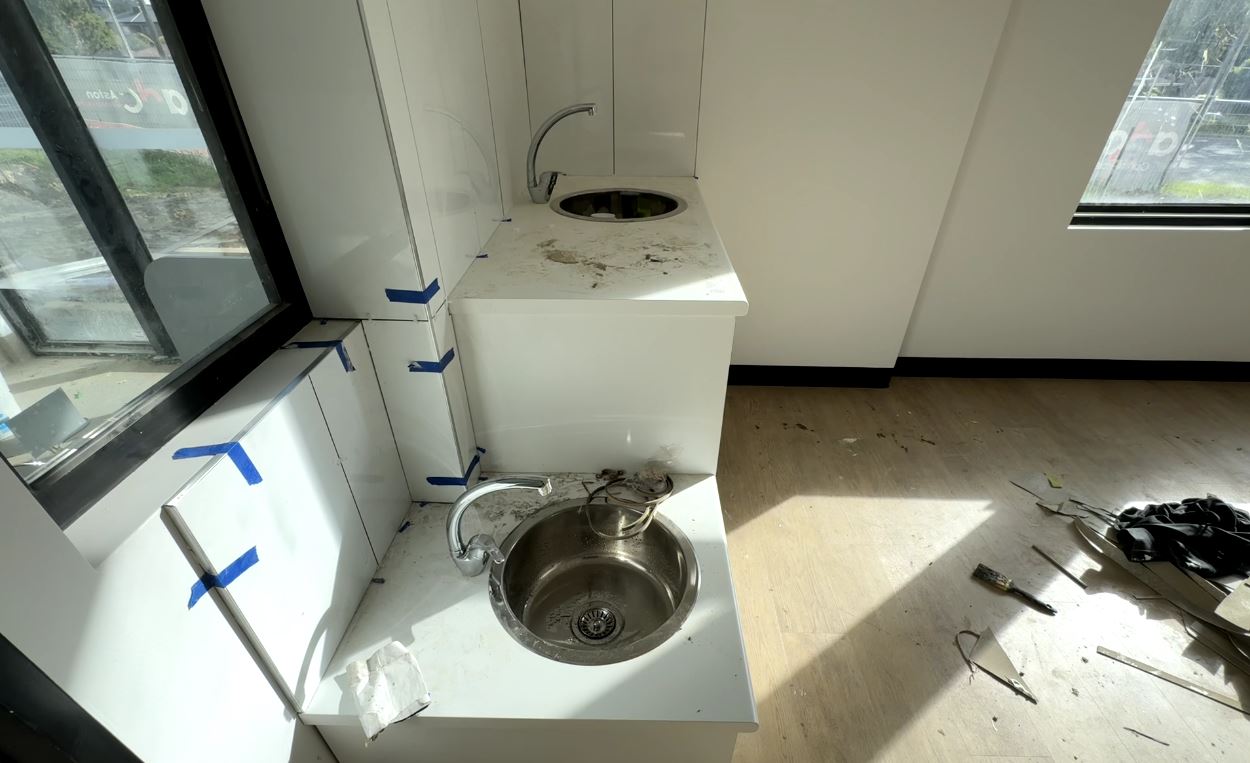
Fresh dust had settled on skirting boards and shelving. There were fingerprints on glossy cabinetry, smudges on the glass, fine debris in window tracks, and light paint marks on tiled areas. The owners were expecting a polished handover, but the home no longer felt complete. It felt like a worksite again.
This is exactly where a defect rectification clean Melbourne service became essential.
The final clean focused on all the details disturbed by the last round of repairs. It worked as a post repair cleaning after renovation stage, removing the fresh dust, wiping down marks, refreshing bathrooms and kitchens, and carefully checking surfaces that tend to show every flaw under natural light. Instead of a rushed wipe-over, the clean functioned as a pre-handover builders clean Melbourne families can rely on when the home needs to feel truly finished.
By the time the final inspection arrived, the difference was obvious. The home looked brighter, calmer, and far more complete. More importantly, it felt ready. The owners could focus on the excitement of moving in rather than the stress of noticing leftover trade mess. What could have been a disappointing handover became a proud and emotional moment. This was not just a clean. It was the final step that made the property builders clean handover ready.
Case Study 2
Commercial Fit-Out Needed a Fast Final Reset Before Client Sign-Off
A commercial fit-out in Melbourne had reached the final stage before client sign-off. The flooring, glass partitions, joinery, lighting, and finishes had already been completed, and the builders clean had been done earlier in the week. Everything seemed on track until the final defect list brought multiple trades back into the space. Electricians returned to adjust fittings, painters completed small touch-ups, and a contractor fixed a few finishing details around the reception area.
That short burst of final activity changed the feel of the site immediately.
The office no longer looked ready for presentation. Fine dust had returned to dark surfaces, marks showed on the entry glass, and there were smears, fingerprints, and small bits of debris in corners and tracks. The client walkthrough was close, and the space needed more than a quick tidy. It needed a proper renovation defect clean Melbourne project managers could count on when presentation mattered.
The clean was approached as both an after defect repair cleaning services job and a renovation punch-list clean up, focusing on the areas most affected by the returning trades. Reception glass was detailed, joinery was wiped down, floors were checked for marks, and every visible surface was refreshed so the fit-out no longer carried the signs of last-minute fixes. Because timing was tight, it also became a last minute builders clean Melbourne teams often need in the final stretch of a project.
The result was more than visual. The whole office felt settled. The tension dropped. Instead of apologising for dust and distractions during the walkthrough, the team could present the fit-out with confidence. The clean acted as a true final home inspection clean equivalent for a commercial setting — the last polish before judgement. In the end, it delivered the builders clean final finish Melbourne projects need when the smallest details can shape the biggest impression.
FAQs About Defect-Rectification Clean
- What is a defect-rectification clean, and why does a property still need it after the builders clean is already done?
A defect-rectification clean is the final clean completed after trades come back to fix the last defects, touch-ups, or small issues before handover. Even after the main builders clean, fresh dust, fingerprints, smudges, paint marks, and debris often appear again. This final stage helps the property feel properly finished, polished, and ready for inspection.
- Why does a newly built or renovated property still feel dusty after the final repairs are completed?
That usually happens because every return visit from a painter, electrician, tiler, plumber, or cabinet installer can create a new layer of fine dust and mess. Even small repairs can leave behind marks that make the space feel unfinished. A defect-rectification clean helps remove that last round of disruption.
- Is a defect-rectification clean worth it before the final handover inspection?
Yes, because handover is when the whole project is judged as a finished result. Small marks, dusty surfaces, and dirty glass can distract from the workmanship and create the feeling that the job is not quite complete. A proper final clean helps the property present at its best.
- What does a pre-handover defect-rectification clean usually include?
It usually includes removing fresh dust, wiping fingerprints, cleaning smears from glass, polishing mirrors and fixtures, vacuuming edges and corners, checking floors for paint spots or debris, and refreshing kitchens, bathrooms, and high-touch surfaces after the final repairs are done.
- Can Builder Cleaning help if the site looked finished, but the last-minute trade fixes made it messy all over again?
Yes. That is exactly when a defect-rectification clean becomes important. A property can look almost ready one day, then feel messy again after final defect repairs. This service helps bring everything back to a handover-ready standard.
- Why do small marks and fingerprints feel like such a big problem right before handover?
Because handover is emotional. After weeks or months of work, people want to walk into a space that feels complete, calm, and ready. Even small marks can ruin that feeling and make the property seem unfinished, even when the actual building work is done.
- How is defect-rectification cleaning different from a standard post-construction clean?
A standard post-construction clean handles the bigger cleaning stage after the main building work is finished. A defect-rectification clean is the final detail clean done after the last trades return for corrections, touch-ups, or minor repairs. It is more focused on presentation, detail, and final inspection readiness.
- Can this type of final builders clean improve the way clients, owners, or buyers feel during handover?
Yes. A clean, fresh, polished space feels calmer, more welcoming, and more complete. It helps reduce stress, creates a better first impression, and allows people to enjoy the finished result instead of noticing dust, smears, and leftover trade mess.
- When should a defect-rectification clean be booked for the best result?
It should be booked after all final defect repairs, touch-ups, and punch-list items are completed, and as close to handover as possible. That timing helps make sure no fresh dust or mess is created after the final clean is done.
- What are the signs a property still needs a defect-rectification clean before handover?
Common signs include dusty skirting boards, smudged windows, fingerprints on cabinetry, dirt in tracks, paint flecks on floors, grout haze, dirty switches, or bathrooms and kitchens that look clean from far away but not up close. If the property feels “almost done” rather than truly finished, this final clean usually makes the difference.

